
Introduction
A home emergency kit is one of the simplest and most effective ways to prepare for unexpected situations.
Power outages, severe weather, natural disasters, or temporary disruptions can happen without warning.
Having essential supplies ready allows you to respond calmly and focus on what matters most.
This guide explains how to build a simple, practical, and effective home emergency kit, without excess or unnecessary gear.
1. Start With the Essentials
A good emergency kit focuses on basic needs first.
Water
- Minimum: 2 liters per person per day
- Plan for at least 72 hours
- Store bottled water or food-grade containers
Food
- Non-perishable items
- Easy to prepare or ready-to-eat
- Rotate supplies regularly
Examples:
- canned foods
- dry goods
- energy bars
- comfort foods
2. Light and Communication
When power goes out, light and information become essential.
Include:
- flashlight or LED lantern
- spare batteries
- battery-powered or hand-crank radio
These tools help you stay informed and move safely in the dark.
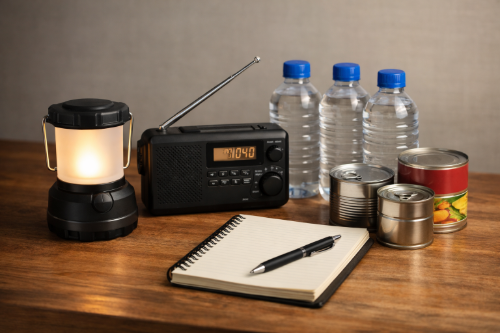
This emergency radio is a solid basic option
3. First Aid and Basic Safety
Every home emergency kit should include a basic first aid kit.
At minimum:
- bandages
- antiseptic wipes
- pain relief medication
- gloves
Add any personal medical needs, such as prescription medication.
4. Tools and Useful Items
Keep things simple and practical:
- multi-tool or basic tools
- duct tape
- matches or lighter
- notebook and pen
- copies of important documents (stored safely)
Avoid unnecessary gadgets. Focus on items you know how to use.
5. Storage and Organization
- Use a sturdy box or backpack
- Store it in an easy-to-access location
- Label it clearly
- Review contents once or twice a year
Preparedness works best when it stays organized and familiar.
In Closing
A home emergency kit doesn’t need to be complicated.
It’s about meeting basic needs, staying calm, and reducing stress during uncertain moments.
Preparedness is not about fear — it’s about peace of mind and autonomy.